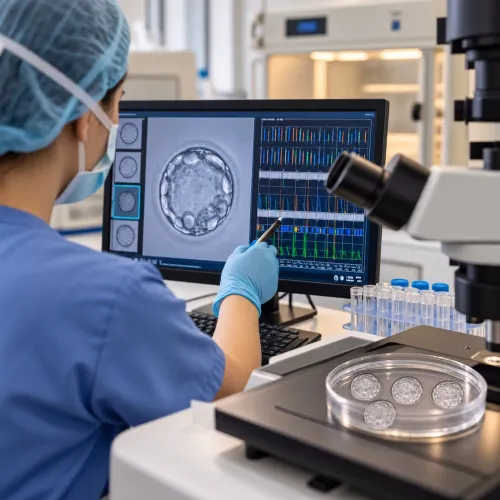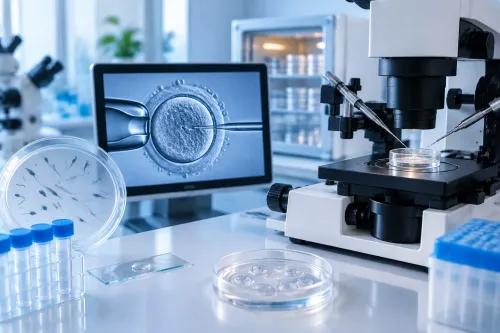
Blastocyst Culture refers to growing embryos in the laboratory until approximately the fifth or sixth day after fertilization. By this stage, a developing embryo has formed a more complex structure than it had during the earlier cleavage stage.
Extended culture can help the embryology team observe which embryos continue developing. However, it is not automatically the correct strategy for every IVF cycle.
What Happens During Blastocyst Development?
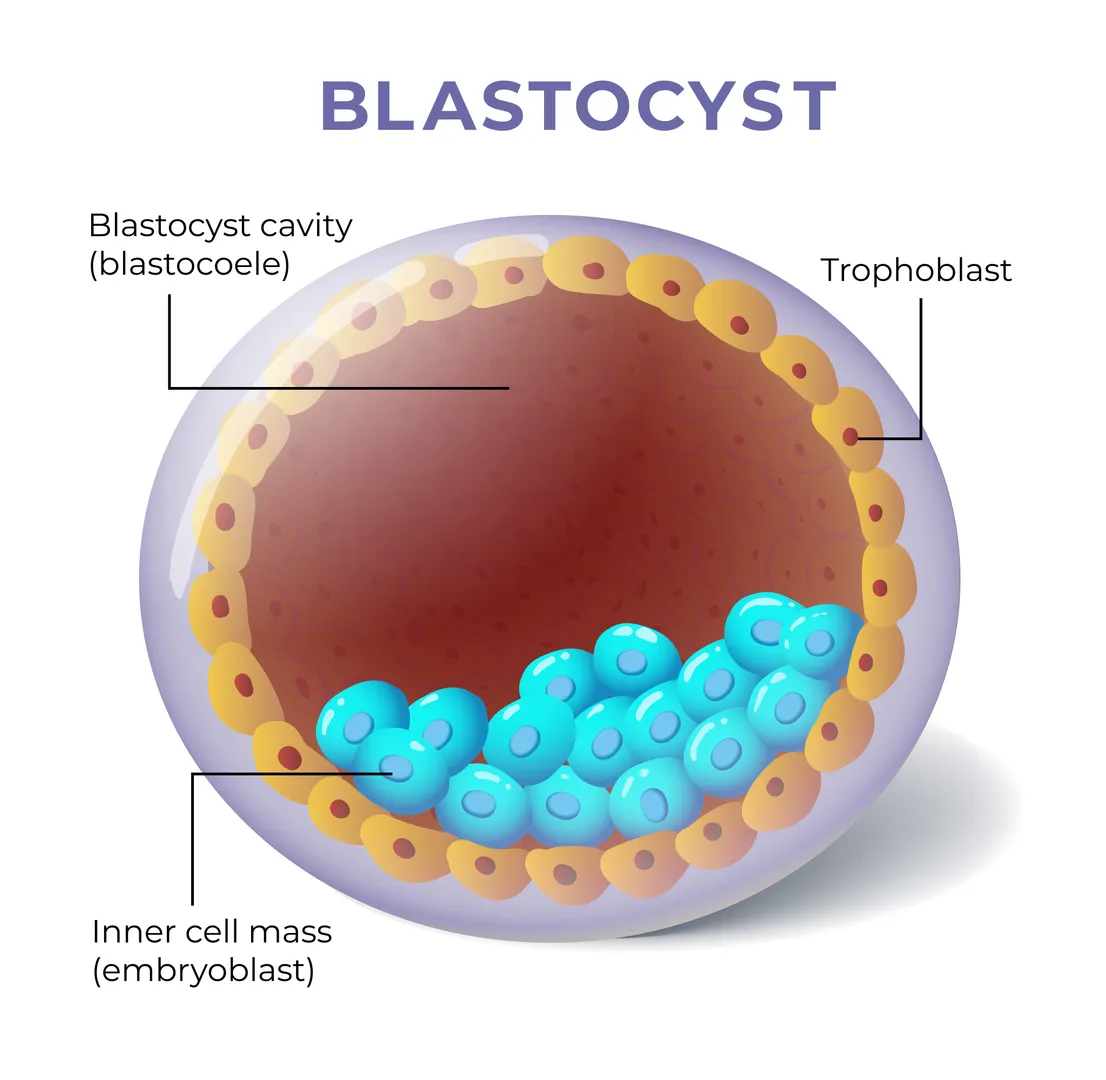
After fertilization, an embryo begins dividing into multiple cells. During the following days, the cells continue reorganizing until a fluid-filled structure called a blastocyst may form.
A blastocyst contains two important cellular areas:
- The inner cell mass, which may develop into the fetus
- The trophectoderm, which contributes to the placenta
Embryologists assess development and appearance at planned intervals while minimizing unnecessary disturbance to laboratory conditions.
Potential Benefits of Blastocyst Culture
Growing embryos for additional days may offer several advantages.
It can provide more developmental information because embryos that stop growing before the blastocyst stage become identifiable. This may help select an embryo with favourable laboratory characteristics for transfer.
Blastocyst transfer also occurs at a stage closer to when an embryo would naturally reach the uterus. In suitable patients, stronger selection may support the use of a single embryo, helping reduce multiple-pregnancy risk.
The process may also be needed when embryo biopsy is planned for an appropriate genetic testing indication.
Important Limitations
Not every fertilized egg becomes a blastocyst. If only one or two embryos are available, extended culture may create a possibility that none will be suitable for transfer.
This does not necessarily mean the laboratory caused the embryos to stop developing. Embryos may arrest because of egg-related, sperm-related or chromosomal factors. Nevertheless, the initial number of embryos and the couple’s history must be considered before choosing extended culture.
Blastocyst appearance also cannot prove that an embryo is chromosomally normal. Grading is a useful laboratory assessment, not a guarantee of implantation or a healthy birth.
Laboratory Quality Matters
Embryos are sensitive to temperature, air quality, pH stability and handling. Patients evaluating an IVF centre should ask about:
- Embryology laboratory standards
- Incubator monitoring
- Identification and witnessing systems
- Embryo grading and reporting
- Freezing methods
- Policies for embryo transfer
- Communication with the embryologist
- Contingency arrangements for equipment failure
A polished reception area cannot substitute for a carefully controlled laboratory.
Who May Benefit From Extended Culture?
Blastocyst Culture may be considered when several good-quality embryos are developing, when embryo selection is necessary or when a specific treatment plan requires blastocyst-stage embryos.
An earlier transfer may be discussed when only a small number of embryos are available or when previous cycles provide reasons to avoid extended culture. The decision should be individualized rather than presented as a compulsory upgrade.
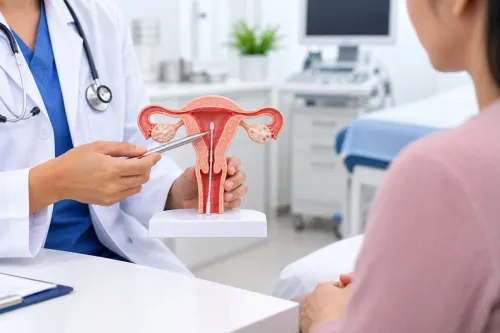
Couples from New Chandigarh, Pinjore and surrounding communities should request a clear explanation of the proposed culture plan before egg retrieval. Kore Fertility Centre, Dr. Nitasha Gupta considers embryo numbers, patient history and laboratory findings when discussing Blastocyst Culture.
Extended culture is a method of observation and selection. Its responsible use requires a capable laboratory, realistic counselling and a plan tailored to the embryos actually available in that cycle.
Keywords