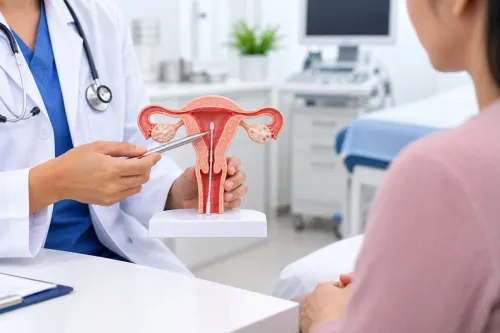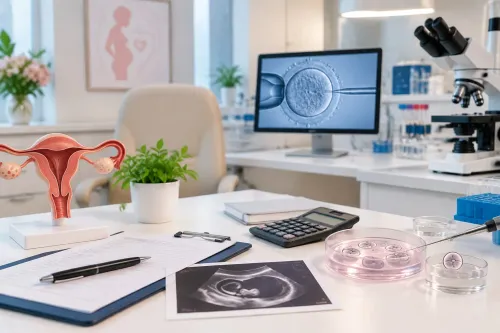
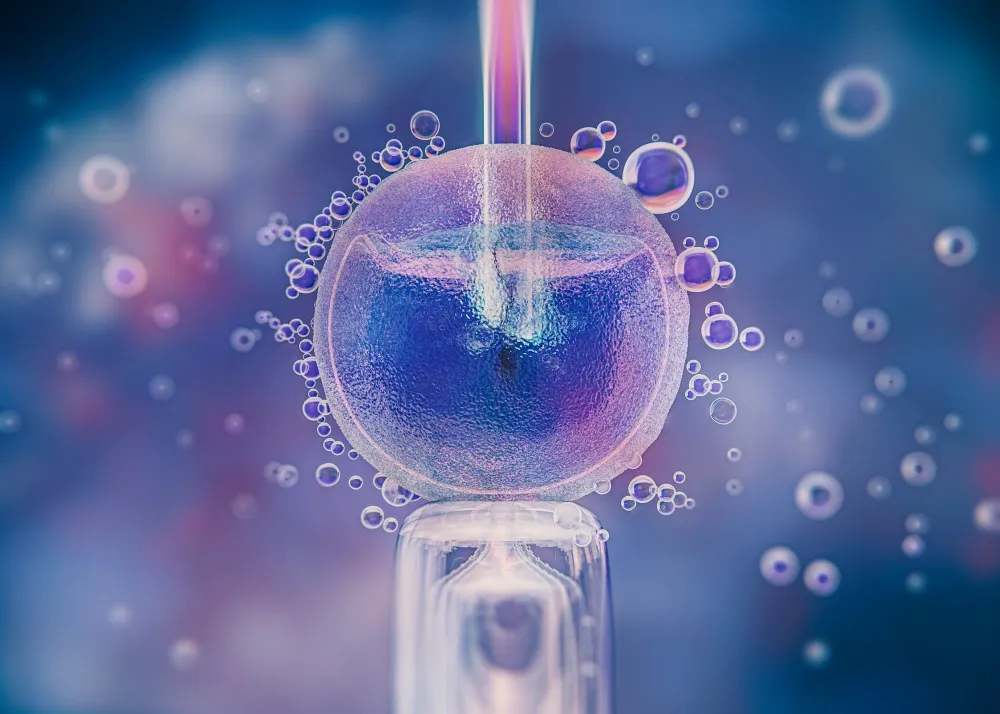
Egg Freezing allows unfertilized eggs to be collected and stored for possible future use. It may be considered for medical reasons or because a woman is not currently ready to pursue pregnancy.
The procedure can preserve an opportunity, but it cannot guarantee a future baby. Understanding this distinction is essential before making financial, medical and emotional commitments.
Why Do Women Consider Egg Freezing?
Common reasons include:
- Upcoming cancer treatment that may affect the ovaries
- Surgery involving reproductive organs
- A medical condition associated with declining ovarian function
- A family history of early menopause
- A wish to delay pregnancy
- Personal circumstances that make parenthood impractical at present
- The absence of a suitable partner
Fertility preservation should ideally be discussed promptly when urgent medical treatment is planned. Coordination between the treating specialist and fertility team can be important.
Age Has a Major Influence
The age at which eggs are frozen generally matters more than the age at which they are used. Egg quantity and quality tend to decline with advancing reproductive age, although the pattern differs between individuals.
Ovarian reserve tests can estimate how the ovaries may respond to stimulation. They do not directly measure the quality of every egg or guarantee future pregnancy.
Women should ask for age-specific counselling rather than relying on broad success claims.
What Does the Process Involve?
Egg Freezing usually requires:
- Initial consultation and fertility assessment
- Hormonal injections for ovarian stimulation
- Ultrasound monitoring and possible blood tests
- A trigger injection
- Egg retrieval under sedation or anaesthesia
- Assessment of egg maturity
- Freezing of suitable mature eggs
- Secure storage
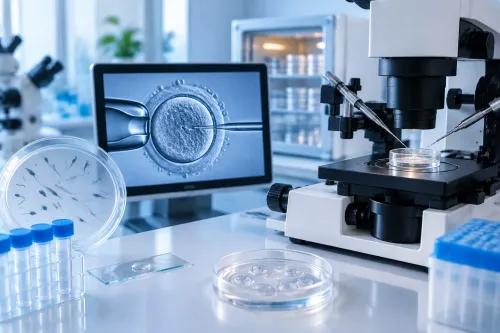
When a woman later wishes to use the eggs, they are thawed and generally fertilized through ICSI. Any resulting embryos are cultured before a suitable embryo is transferred.
Not every stimulated follicle produces an egg. Not every egg is mature, survives thawing, fertilizes, becomes a usable embryo or implants. These stages explain why clinics should never describe freezing as an insurance policy.
Questions About Storage Deserve Attention
Before proceeding, women should understand:
- How eggs are identified and tracked
- Which freezing method is used
- Where the eggs are stored
- What storage fees apply
- How long storage can continue under applicable rules
- What happens if contact details change
- What consent decisions are required
- How eggs can be transferred to another centre
- What contingency systems protect stored material
Written information should match what is explained during consultation.
Emotional Readiness Matters Too
Egg freezing can provide a sense of control, but it can also create false reassurance if future limitations are not discussed. Women should continue receiving age-appropriate reproductive guidance even after freezing eggs.
Those travelling from Panchkula, Kalka or nearby parts of Haryana should consider the practical need for several monitoring visits over roughly two weeks. Kore Fertility Centre, Dr. Nitasha Gupta provides individualized counselling on ovarian reserve, likely response and the limitations of Egg Freezing.
A good decision is based on realistic probabilities, transparent storage policies and personal priorities. Egg freezing is most valuable when a woman understands both the opportunity it may preserve and the outcomes it cannot promise.
Keywords