Polycystic ovary syndrome can cause irregular periods, unpredictable ovulation and difficulty conceiving. It may also be associated with acne, excess facial hair, weight changes or signs of insulin resistance. However, PCOS does not mean that pregnancy is impossible.
Effective PCOS Fertility Treatment begins by identifying how the condition is affecting ovulation and overall reproductive health. Two women with PCOS may require very different treatment plans.
Why PCOS Can Affect Fertility
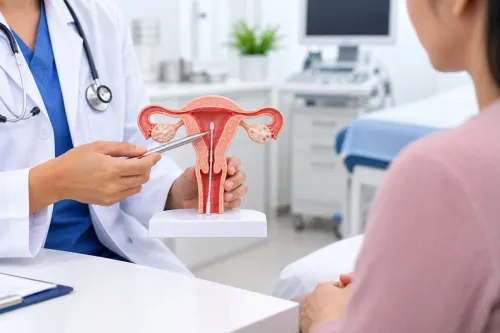
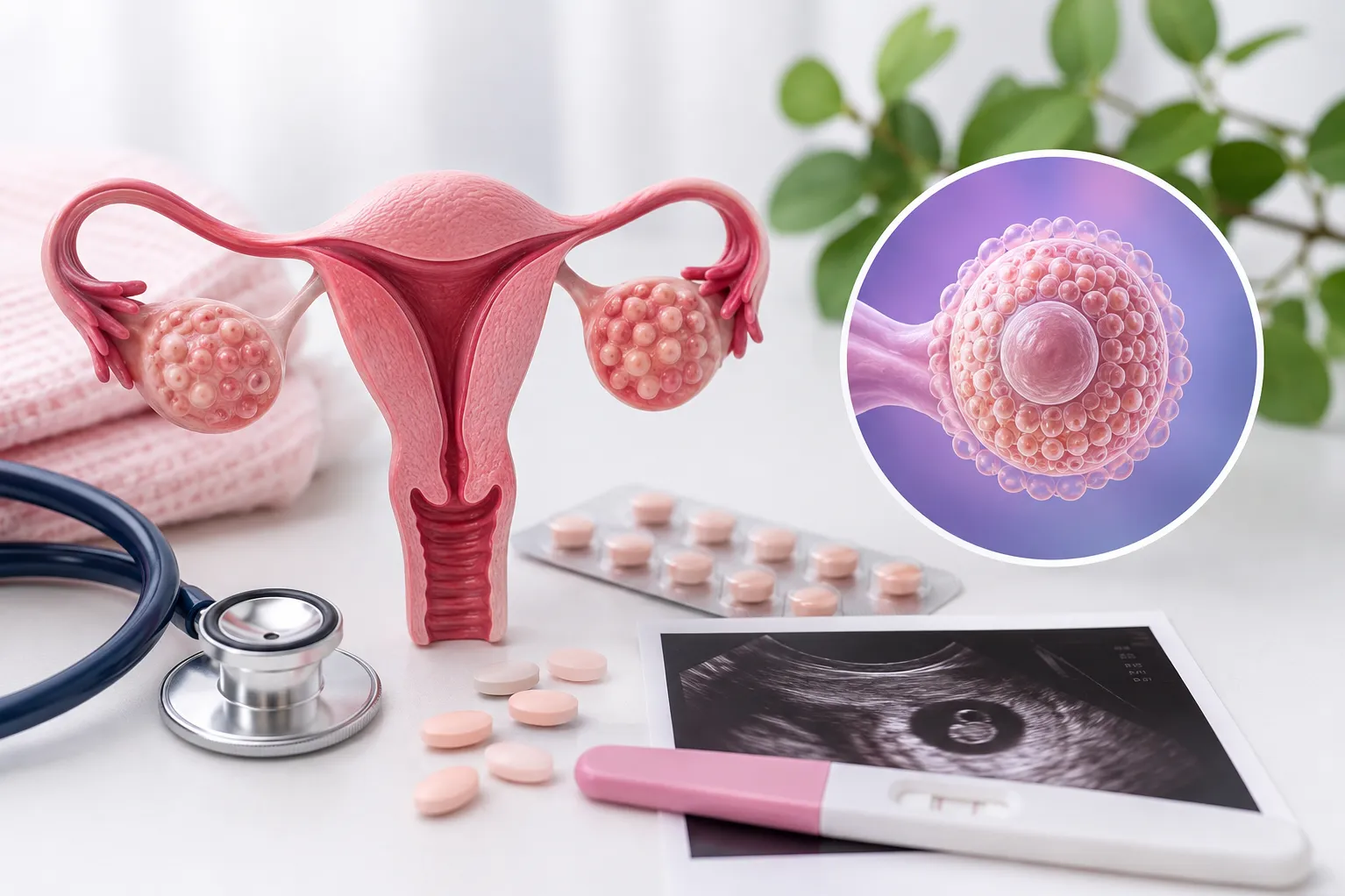
The ovaries contain many small follicles, but hormonal imbalance may prevent one follicle from developing and releasing an egg regularly. As a result, a woman may ovulate infrequently or not at all.
Irregular periods are an important clue, but they do not confirm PCOS by themselves. Thyroid disorders, elevated prolactin, changes in body weight and other hormonal conditions can also disturb menstruation.
A proper assessment may involve:
- Menstrual and medical history
- Pelvic ultrasound
- Hormonal tests
- Blood sugar or metabolic assessment
- Ovarian reserve evaluation when appropriate
- Semen analysis for the male partner
- Fallopian tube assessment based on the clinical situation
Evaluating both partners helps prevent all fertility concerns from being attributed to PCOS.
Lifestyle Measures Have a Clinical Role
For women who are above their healthy weight range, even a sustainable reduction in weight may improve menstrual regularity and response to fertility medicines. Extreme dieting is unnecessary and may be counterproductive.
Useful measures can include:
- Balanced meals with adequate protein and fibre
- Regular physical activity
- Consistent sleep
- Avoiding tobacco
- Managing blood sugar when advised
- Addressing stress without blaming it as the sole cause of infertility
Women who are not overweight can also have PCOS. They should not be advised to lose weight without a clinical reason.
Medicines That Support Ovulation
Ovulation-inducing medicines may be prescribed when irregular or absent ovulation is the main problem. Ultrasound monitoring allows the doctor to observe follicle growth and plan intercourse or IUI appropriately.
The medication, dose and duration must be individualized. Taking fertility medicines without monitoring can lead to an excessive ovarian response, multiple pregnancy or an unsuccessful cycle with no useful learning.
If tablets do not produce an adequate response, injectable medicines may be considered. These require closer monitoring because the ovaries can be more sensitive to stimulation.
When May IUI or IVF Be Discussed?
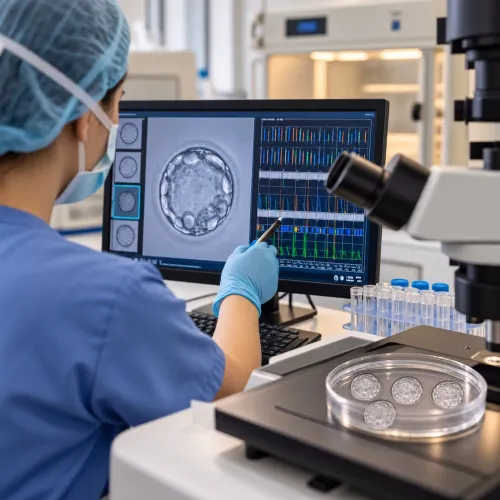
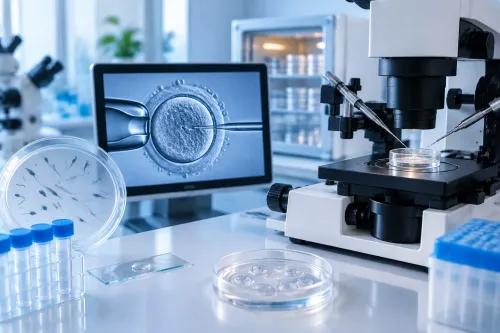
IUI may be considered when ovulation can be induced but additional factors make timed intercourse less effective. IVF may become relevant when there are blocked tubes, significant male-factor infertility, reduced ovarian reserve, prolonged infertility or repeated failure of simpler treatment.
A PCOS diagnosis alone does not make IVF mandatory.
Patients should also understand the risk of ovarian hyperstimulation during assisted reproduction. Individualized medicine doses and regular monitoring help the fertility team reduce this risk.
Women from Ambala and nearby areas often benefit from planning monitoring visits in advance because follicular tracking may require several appointments within one cycle. At Kore Fertility Centre, Dr. Nitasha Gupta develops PCOS Fertility Treatment plans after reviewing hormonal, ovarian, tubal and partner-related factors.
The objective is not merely to make periods regular. Fertility care should support safe ovulation, appropriate timing and a realistic route toward pregnancy while also considering long-term metabolic health.
Keywords