
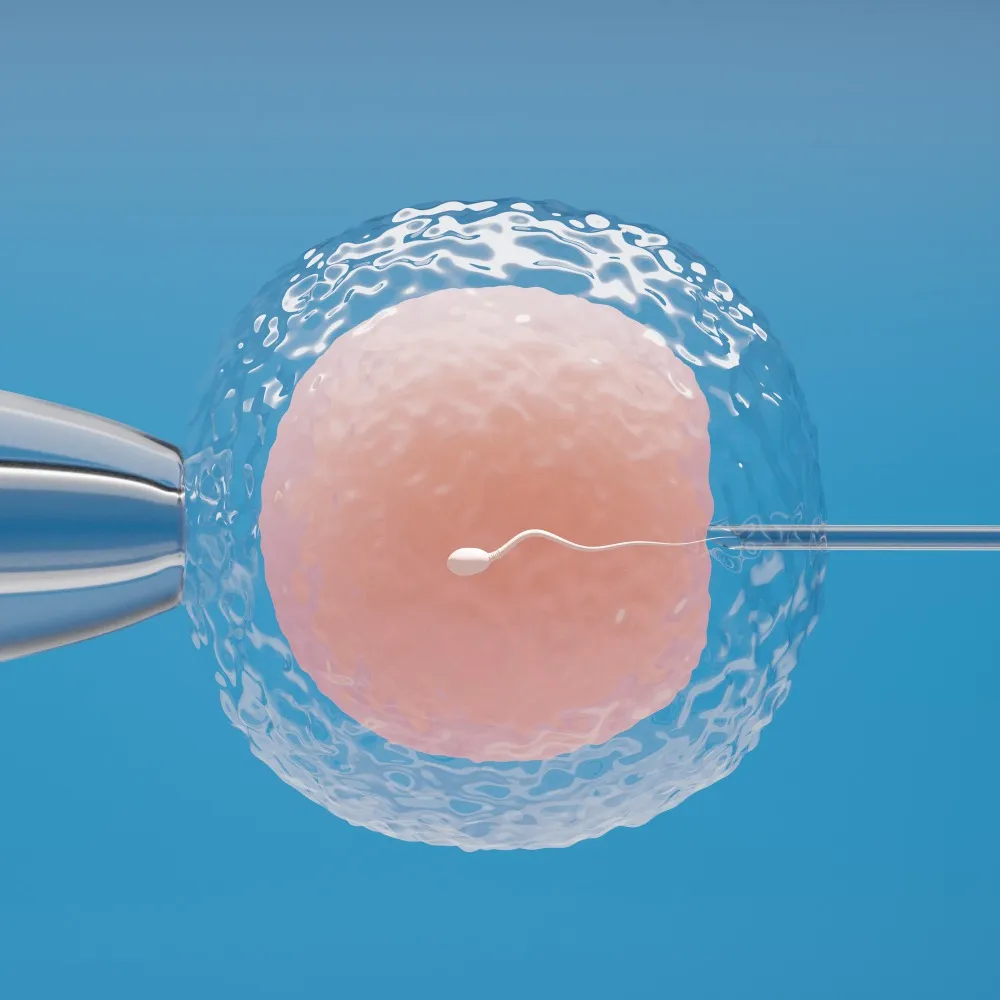
ICSI Treatment is a laboratory technique in which an embryologist injects a single sperm directly into a mature egg. It is performed as part of an IVF cycle and is designed primarily to help overcome certain fertilization problems.
Because ICSI sounds more precise than conventional IVF, some couples assume it must always provide better results. In reality, its value depends on the clinical indication.
Conventional IVF and ICSI Use Different Fertilization Methods
In conventional IVF, a prepared concentration of sperm is placed with each mature egg so fertilization can occur without direct injection.
With ICSI, the embryologist selects a sperm and introduces it into the egg using specialized micromanipulation equipment. The remaining stages embryo culture, selection and transfer are broadly similar.
ICSI supports the fertilization step. It cannot guarantee that an injected egg will fertilize normally or develop into a healthy embryo.
When May ICSI Be Recommended?
A fertility specialist and embryology team may consider ICSI when there is:
- Very low sperm concentration
- Poor sperm movement
- Markedly abnormal sperm morphology
- Surgically retrieved sperm
- Previous poor or failed fertilization with conventional IVF
- Frozen sperm available in limited quantity
- A specific clinical reason requiring reliable access to fertilized embryos
The complete semen profile, previous treatment history and quality of the available eggs should guide the decision.
When May Conventional IVF Be Reasonable?
If semen parameters are suitable and there is no history suggesting a fertilization problem, conventional IVF may be appropriate. Routine use of ICSI for every patient does not necessarily improve the chance of live birth.
The key question is not whether ICSI is more technologically advanced. It is whether direct sperm injection addresses a real barrier in that couple’s case.
Does ICSI Correct Sperm Quality?
ICSI helps a sperm enter an egg, but it does not repair genetic abnormalities or guarantee normal embryo development. Severe male infertility may sometimes be associated with underlying genetic or hormonal concerns that require separate evaluation.
In selected cases, the male partner may be advised to undergo:
- Repeat semen analysis
- Hormonal testing
- Clinical examination
- Genetic counselling or testing
- Ultrasound
- Specialist urological assessment
This evaluation can affect treatment decisions and provide information relevant to the couple’s future child.
What Should Couples Ask the Clinic?
Before agreeing to ICSI Treatment, couples can ask:
- Why is ICSI recommended in our case?
- What did the semen analysis show?
- Is conventional IVF a reasonable alternative?
- What happened during any previous fertilization attempt?
- Who performs the procedure?
- How are eggs assessed for maturity?
- What laboratory costs are involved?
- What outcome can ICSI improve for us?
- What can it not improve?
Clear answers are more valuable than claims that one laboratory technique is universally superior.
For patients visiting from Rajpura and nearby areas of Punjab, it is useful to arrange both partners’ investigations before the treatment cycle begins. At Kore Fertility Centre, Dr. Nitasha Gupta recommends ICSI Treatment when the findings suggest that direct sperm injection could address a fertilization concern.
The strongest fertility plan uses technology selectively. ICSI can be highly valuable for appropriate male-factor and fertilization-related cases, but responsible care also recognizes when conventional IVF may be sufficient.
Keywords