Couples exploring fertility treatment often come across two common options IVF and ICSI treatment. Since both involve fertilizing an egg outside the body, it's easy to assume they are the same. However, there is one important difference in how fertilization takes place, and understanding it can help you better discuss your options with a fertility specialist.
If you are considering fertility treatment in Tricity, learning when ICSI is recommended and how it differs from conventional IVF can help you make informed decisions.
What Is IVF?
In vitro fertilization (IVF) is a procedure where mature eggs are collected from the ovaries and combined with prepared sperm in a laboratory. Fertilization occurs naturally in the culture dish, and the resulting embryo is later transferred into the uterus.
IVF is commonly recommended for:
- Blocked fallopian tubes
- Ovulation disorders
- Endometriosis
- Unexplained infertility
- Failed IUI cycles
What Is ICSI Treatment?
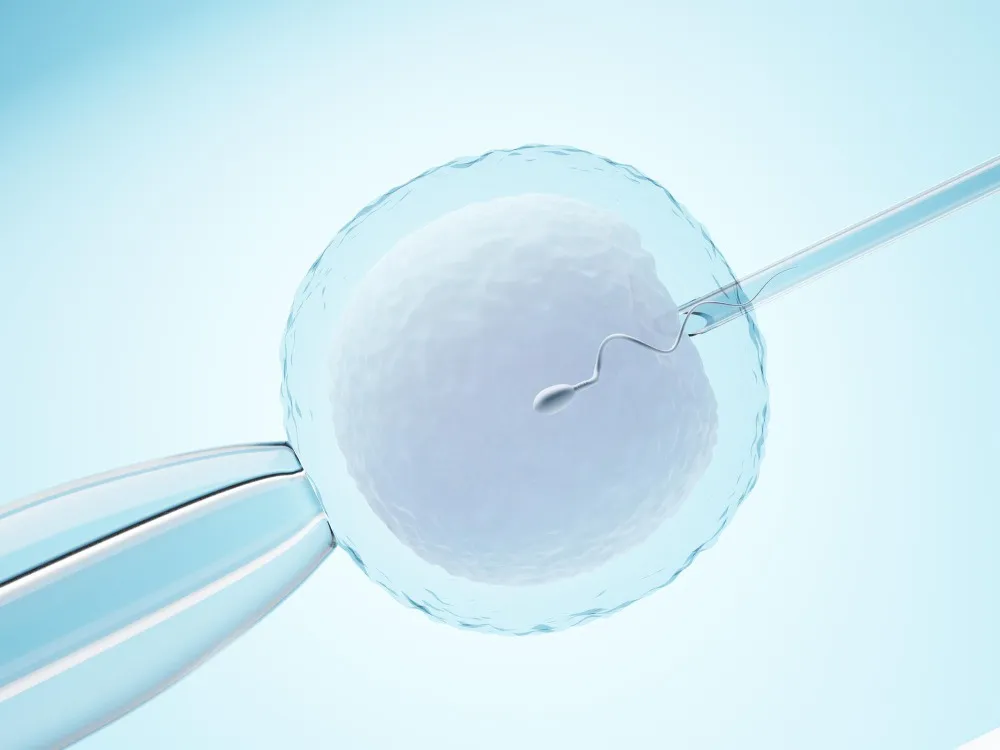
ICSI (Intracytoplasmic Sperm Injection) is an advanced form of IVF. Instead of allowing the sperm to fertilize the egg naturally, an embryologist injects a single healthy sperm directly into a mature egg using specialized equipment.
After fertilization, the remaining steps are similar to a standard IVF cycle.
When Is ICSI Recommended?
A fertility specialist may recommend ICSI if there are significant male infertility factors or previous fertilization problems.
Common situations include:
- Low sperm count
- Poor sperm motility
- Abnormal sperm shape
- Surgically retrieved sperm
- Previous IVF cycle with poor fertilization
- Severe male infertility
ICSI improves the chances of successful fertilization in these cases.
Is ICSI Better Than IVF?
Not necessarily. ICSI is not automatically better than IVF. It is simply more appropriate for specific fertility conditions, particularly severe male infertility.
If sperm quality is normal, conventional IVF may be equally effective. The choice depends on the fertility evaluation and medical history of both partners.
How Does a Doctor Decide?
Before recommending IVF or ICSI, fertility specialists usually assess:
- Semen analysis
- Female reproductive health
- Ovarian reserve
- Previous fertility treatments
- Age of both partners
Based on these findings, the doctor recommends the treatment most likely to achieve successful fertilization and pregnancy.
Choosing the Right Fertility Centre
An experienced fertility clinic will recommend IVF or ICSI only after a complete assessment rather than using the same approach for every patient.
Many couples in Tricity consult Dr Nitasha Gupta for personalized fertility care, where treatment decisions are based on detailed diagnostic findings and evidence-based reproductive medicine.
Does ICSI increase pregnancy success?
ICSI improves fertilization rates in couples with male infertility. However, pregnancy success also depends on factors such as the woman's age, egg quality, embryo development, and overall reproductive health.
Is ICSI more expensive than IVF?
ICSI generally costs more than conventional IVF because it requires specialized laboratory techniques and equipment.
Can every IVF cycle include ICSI?
Yes, but it is usually recommended only when medically indicated. Your fertility specialist will decide whether ICSI offers additional benefits in your case.
Both IVF and ICSI have helped many couples achieve successful pregnancies. The most suitable option depends on your individual fertility diagnosis rather than a one-size-fits-all approach. A comprehensive evaluation by an experienced fertility specialist can help determine which treatment offers the best chance of building your family.
Keywords