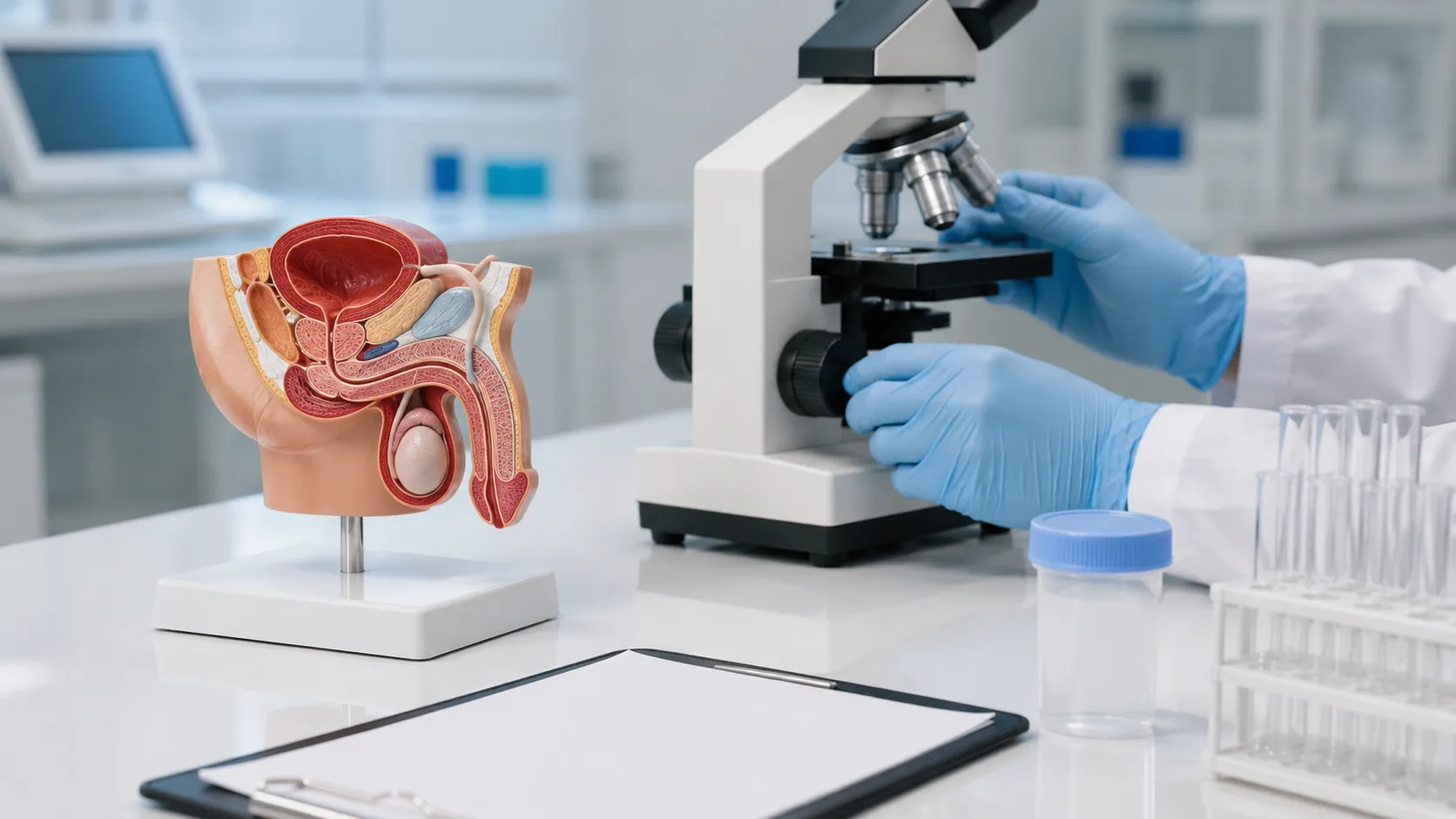
Difficulty conceiving is not exclusively a female health issue. Male factors may contribute independently or alongside female factors, which is why both partners should be evaluated from the beginning.
Male Infertility Treatment is most effective when it addresses the underlying reason for abnormal sperm production, movement or delivery. Taking unverified supplements without a diagnosis can delay appropriate care.
What Can Affect Male Fertility?
Male infertility may be associated with:
- Low sperm concentration
- Reduced sperm motility
- Abnormal sperm morphology
- Absence of sperm in the semen
- Hormonal disorders
- Varicocele
- Infections or obstruction
- Ejaculation or erection difficulties
- Previous surgery or injury
- Genetic conditions
- Certain medicines or medical treatments
- Tobacco, heavy alcohol use, heat exposure or anabolic steroids
In some men, no single cause is identified even after evaluation. This does not mean that treatment options are unavailable.
Why Semen Analysis Is Important
Semen analysis provides information about sperm concentration, movement, appearance and semen volume. One abnormal report does not always establish a permanent problem because results can vary with fever, illness, collection conditions and the period of abstinence.
The fertility specialist may recommend repeating the test under standardized conditions. If abnormalities persist, additional evaluation may include physical examination, hormone testing, ultrasound, genetic testing or consultation with an andrology or urology specialist.
A home test or basic sperm-count report cannot provide the same clinical detail as a complete laboratory analysis.
Treatment Depends on the Cause
Some concerns may improve with medical treatment, correction of a hormonal imbalance or management of an infection. A clinically significant varicocele may require specialist review, although surgery is not appropriate for every patient.
Lifestyle changes can support reproductive health:
- Stop smoking and tobacco use
- Limit excessive alcohol
- Avoid anabolic steroids and recreational drugs
- Maintain a healthy weight
- Control diabetes and other chronic conditions
- Reduce avoidable heat exposure
- Review fertility-affecting medicines with a doctor
These measures may support sperm health, but they cannot correct every structural, genetic or severe sperm-related condition.
Choosing Among IUI, IVF and ICSI
IUI may be suitable for mild sperm abnormalities when enough progressively moving sperm remain after laboratory preparation.
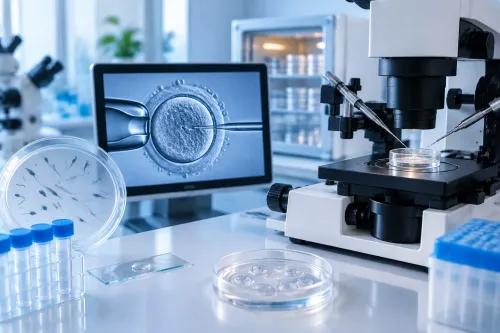
IVF allows eggs and sperm to interact in a controlled laboratory environment. ICSI involves injecting a selected sperm directly into a mature egg and is often considered for more significant sperm problems, previous fertilization failure or sperm obtained through a retrieval procedure.
ICSI assists fertilization, but it does not guarantee normal embryo development, implantation or pregnancy. The woman’s age, egg quality and other reproductive factors remain important.
Fertility Care Should Include the Male Partner
Men may feel embarrassment, guilt or anxiety during testing. A respectful fertility service avoids blame and explains results in straightforward language.
For couples travelling from Yamunanagar or surrounding parts of Haryana, completing initial male and female investigations before repeated treatment visits can make care more organized. Kore Fertility Centre, Dr. Nitasha Gupta assesses both partners and recommends Male Infertility Treatment according to the severity and likely cause of the problem.
Early evaluation can save valuable time. More importantly, it ensures that a couple receives a shared fertility plan rather than placing the entire physical and emotional burden on one partner.
Keywords