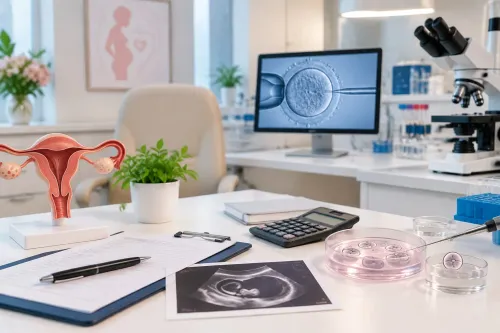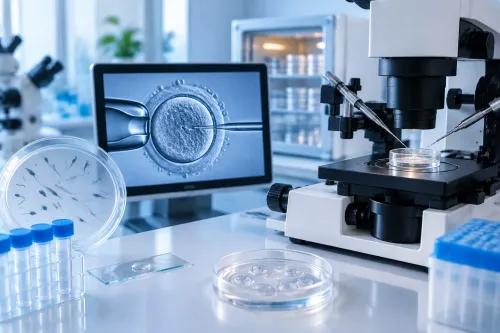
In Vitro Fertilization is an assisted reproductive treatment in which eggs are collected from the ovaries and fertilized with sperm in a laboratory. The resulting embryo is observed for a few days before a suitable embryo is transferred into the uterus.
IVF may be considered when simpler fertility treatments are unlikely to help or have not resulted in pregnancy. However, it is not automatically the first treatment recommended for every couple.
When May IVF Be Considered?
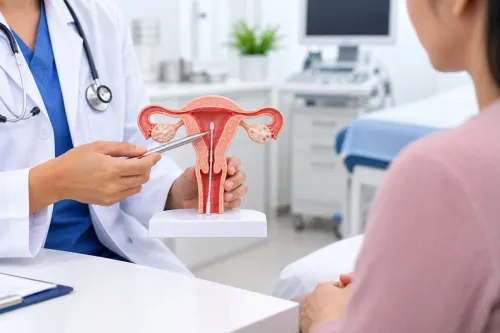
A fertility specialist may discuss IVF in situations involving:
- Blocked or damaged fallopian tubes
- Certain ovulation disorders
- Endometriosis-related fertility problems
- Reduced ovarian reserve
- Significant sperm-related concerns
- Unexplained infertility
- Unsuccessful treatment with fertility medicines or IUI
- A need for donor eggs or sperm
- Fertility preservation in selected circumstances
The recommendation should be based on the couple’s age, fertility test results, medical history and previous treatment rather than on a single diagnosis.
Ovarian Stimulation
During a natural menstrual cycle, the ovaries usually release one egg. In an IVF cycle, prescribed fertility medicines are commonly used to encourage several follicles to develop.
Ultrasound examinations and, when necessary, blood tests help the doctor assess follicle development. Medication doses may be adjusted according to the ovarian response. Patients should take injections exactly as prescribed and attend monitoring appointments on time.
Egg Retrieval
When the follicles reach an appropriate stage, a trigger injection is administered to support final egg maturation. Egg retrieval is then scheduled at a carefully selected time.
The procedure is generally performed under sedation or anaesthesia. An ultrasound-guided needle is used to collect fluid from the ovarian follicles. Not every follicle necessarily contains an egg, and not every collected egg will be mature.
Fertilization and Embryo Development
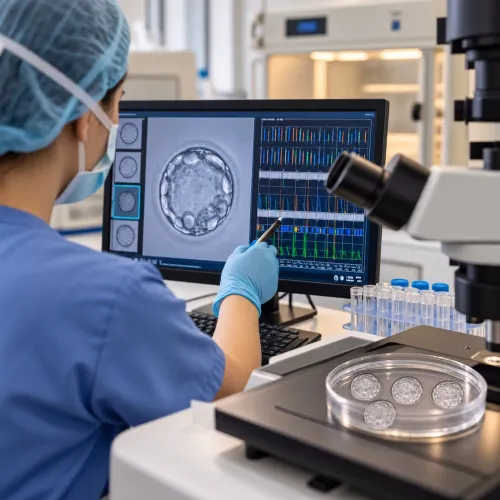
The collected eggs are assessed in an embryology laboratory. They may be combined with prepared sperm through conventional IVF, or an embryologist may inject one sperm directly into an egg through ICSI when clinically indicated.
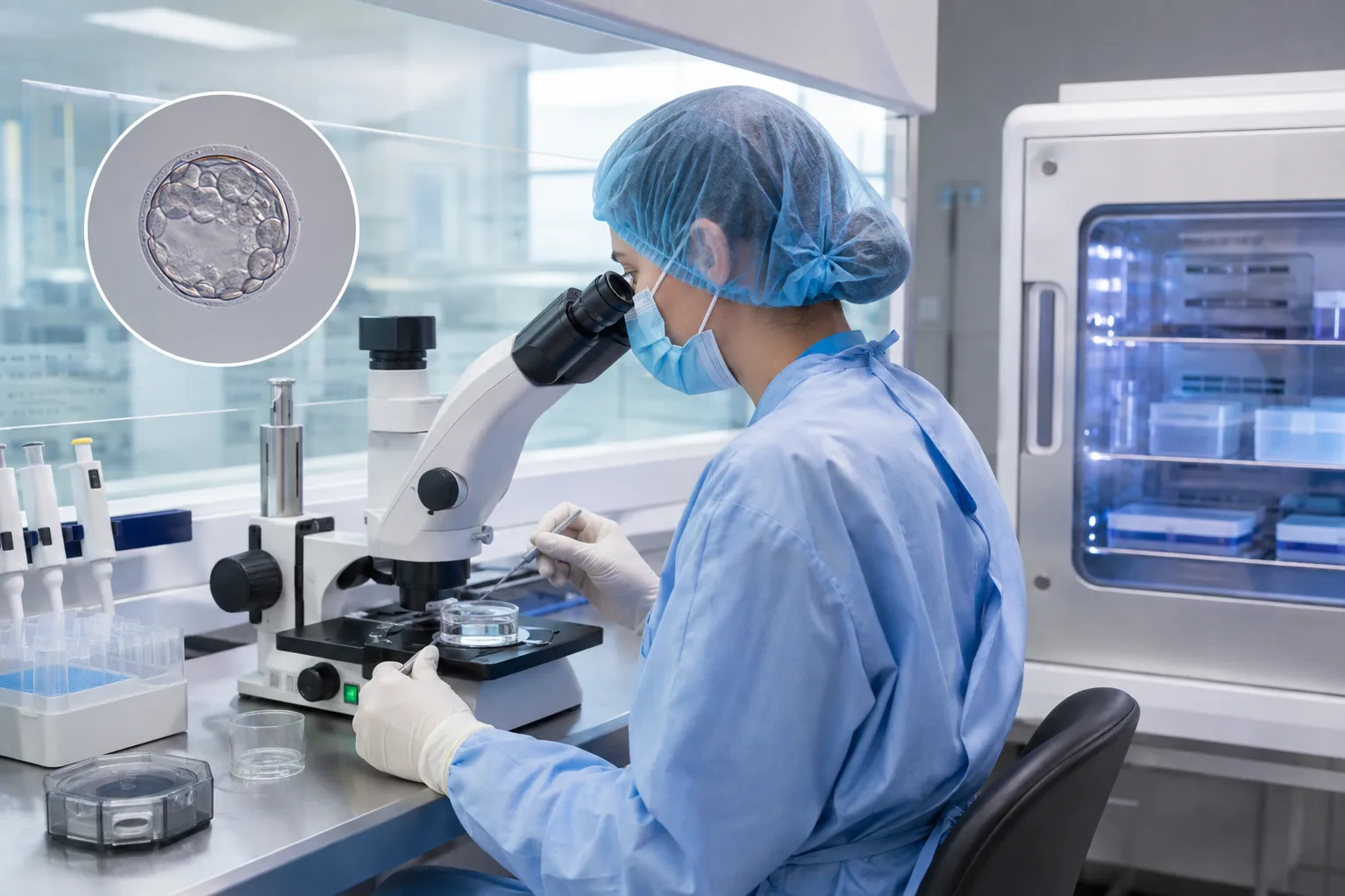
Fertilized eggs are monitored as they develop. Embryologists evaluate factors such as cell division, appearance and developmental progress. Some embryos may be cultured until the blastocyst stage, typically around the fifth or sixth day after fertilization.
Embryo Transfer
A selected embryo is placed inside the uterus using a thin catheter. The procedure is usually brief and often does not require anaesthesia.
The number and timing of embryos transferred should be decided carefully. Transferring more embryos may increase the likelihood of twins or higher-order multiple pregnancy, which can raise risks for both the mother and babies.
Suitable additional embryos may sometimes be frozen for possible future use.
The Pregnancy Test
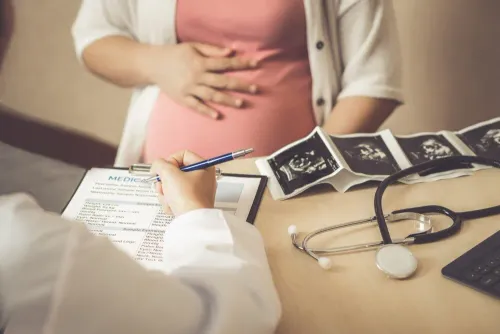
A pregnancy test is performed on the date advised by the fertility team. Testing too early can produce a misleading result because of fertility medicines or an insufficient level of pregnancy hormone.
IVF outcomes differ between patients. Age, egg quality, sperm characteristics, embryo development, uterine factors and the underlying cause of infertility can all affect the chance of success. No ethical IVF centre can guarantee pregnancy from one cycle.
For couples travelling from Chandigarh, Panchkula or Mohali, the repeated monitoring involved in treatment makes accessibility an important practical consideration. At Kore Fertility Centre, Dr. Nitasha Gupta evaluates each couple before determining whether In Vitro Fertilization or a less intensive option is appropriate.
Understanding each stage can make treatment feel more manageable. The most useful starting point is a complete evaluation followed by an individualized plan based on medical evidence.
Keywords